


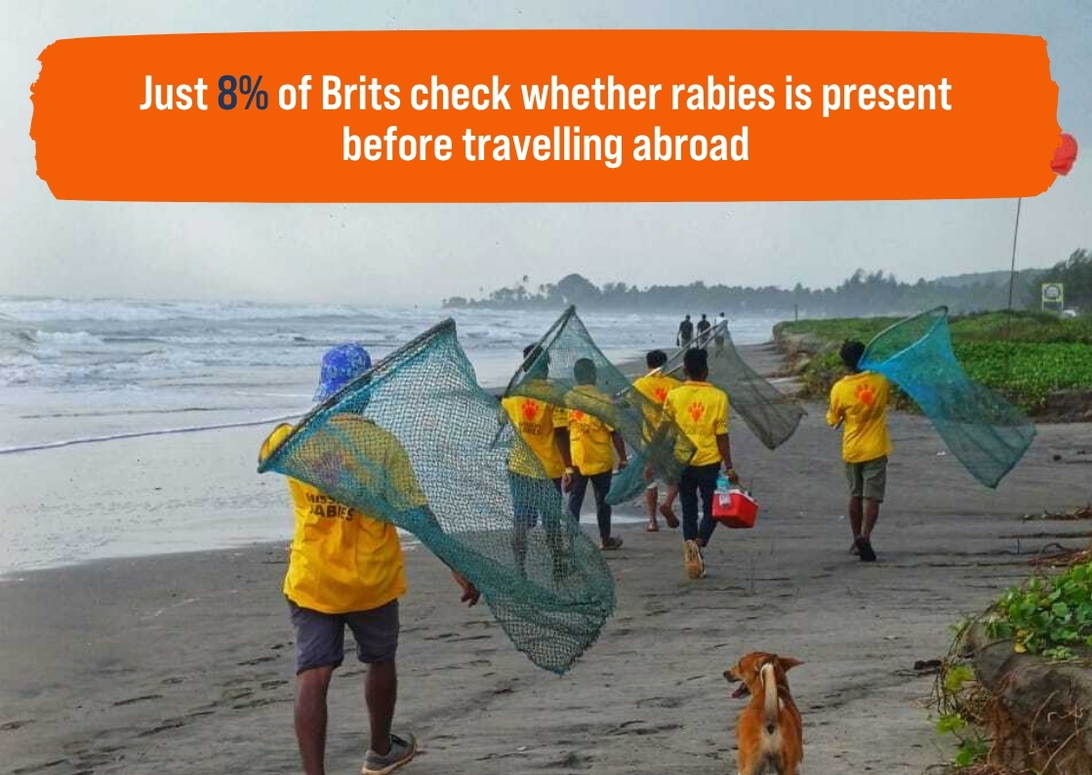
New research reveals just 8% of UK holidaymakers check whether rabies is present before travelling abroad, despite the disease being found in more than 150 countries, including many popular tourist destinations.
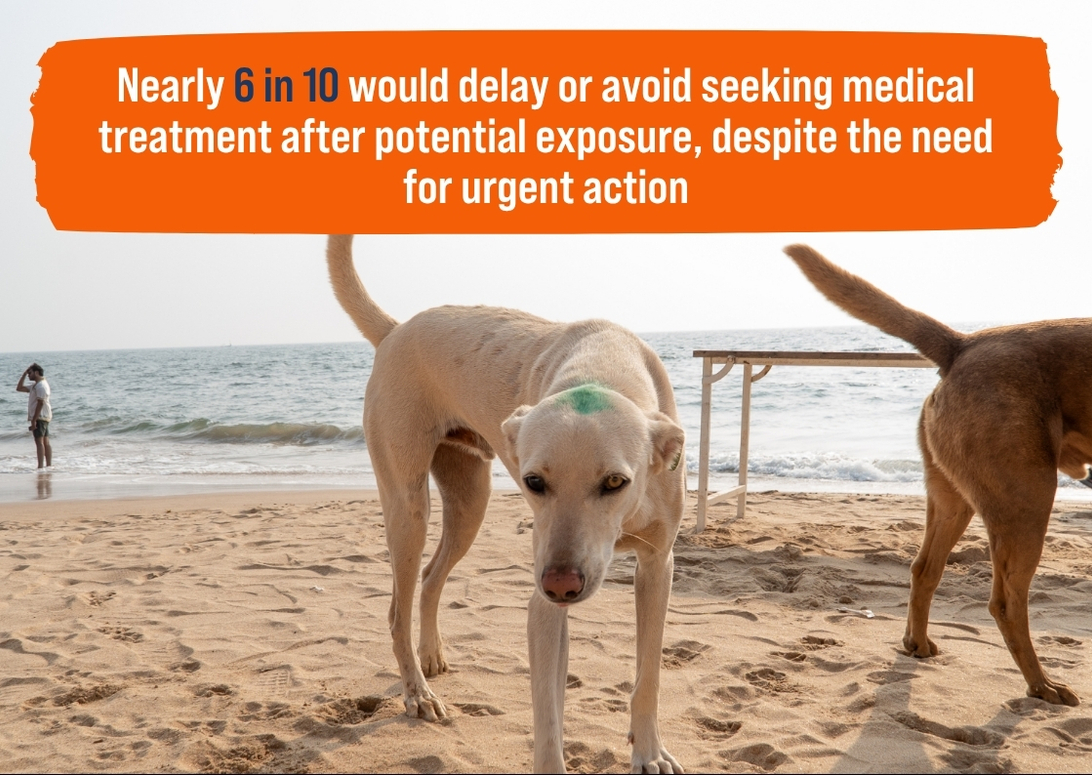
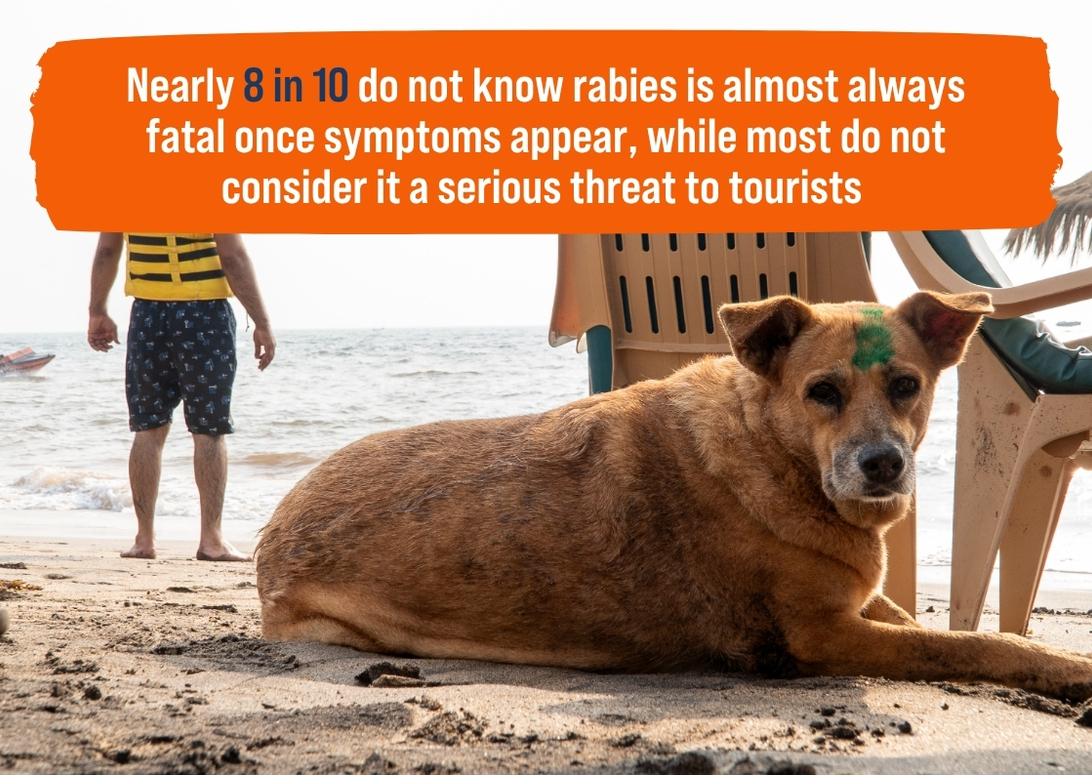
The research also finds that most Brits do not think rabies is a serious health threat for holidaymakers. Nearly 6 in 10 would delay or avoid seeking medical help after potential exposure despite the need for urgent treatment, while almost 8 in 10 do not know that rabies is almost always fatal once symptoms appear.
Together, the findings reveal the misconceptions and behavioural patterns putting tourists at serious risk of rabies, with millions of holidaymakers travelling to countries where rabies is present without understanding the risk or knowing what to do if they are exposed.
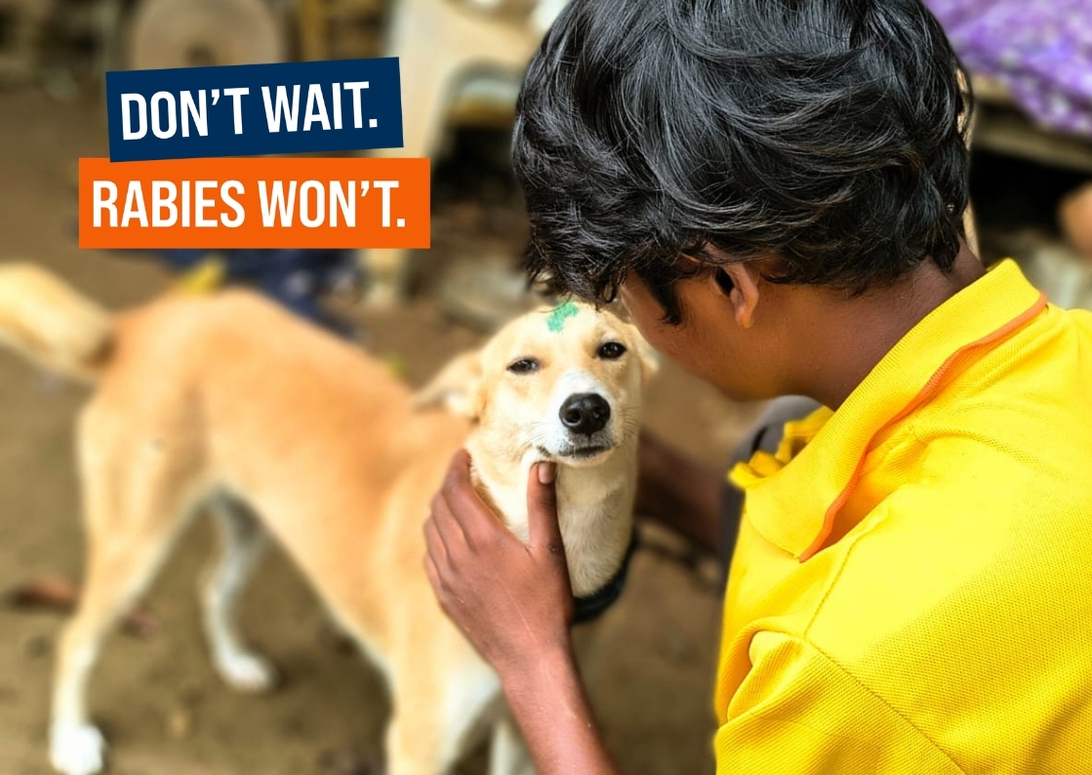
The research comes as we launch of our summer travel awareness campaign, which aims to challenge the view that rabies is only a concern for backpackers, adventure travellers or people visiting remote parts of the world. Rabies is present in many popular holiday destinations visited by Brits, including Turkey, Morocco and Thailand. According to our new research, nearly half of Brits (43%) have travelled to destinations where rabies is present in the last five years without checking the risk before they travelled.
Despite the serious health risks posed by rabies in popular tourist destinations, it remains low on holidaymakers' pre-travel checklists. While around half check their passport is still valid, research flights and accommodation and take out travel insurance, just 8% check whether rabies is present at their destination and only a quarter (26.4%) check vaccination requirements.
Animal lovers may also be putting themselves at particular risk, as 99% of human rabies cases are caused by an infected dog bite. Nearly half of Brits (47%) say they would approach or interact with a dog or cat while on holiday simply because they love animals, while more than a third would do so if an animal appeared friendly or approached them first. One in five said they would allow their children to interact with an animal abroad, despite children under 15 accounting for 40% of rabies deaths worldwide.
The findings also reveal significant gaps in understanding of how rabies is transmitted. Nearly two thirds of Brits (62%) do not know that cats and other mammals can transmit rabies as well as dogs, while almost half (49%) are unaware that rabies can be transmitted through a bite from an infected animal. A further 61% do not know that rabies can be transmitted if an infected animal licks an open wound or scratch. The research also comes in the wake of the tragic death of 59-year-old Yorkshire grandmother Yvonne Ford, who died from rabies in June 2025 after being scratched by a stray dog while on holiday in Morocco, highlighting the potentially fatal consequences of exposure and the importance of seeking urgent medical advice following any animal bite or scratch abroad.
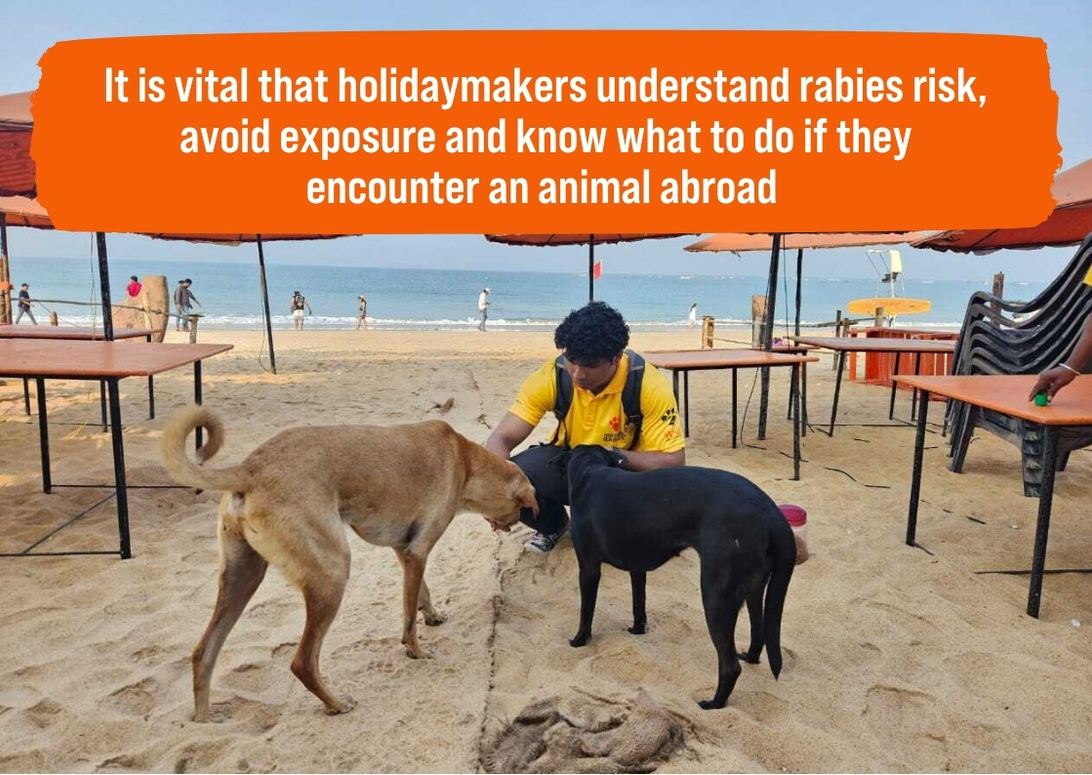
Rabies is one of the world's deadliest infectious diseases, killing around 59,000 people each year. However, it is entirely preventable if the right action is taken. Through our "Think Rabies Before You Travel" campaign, we aim to provide tourists with practical guidance around preparing to travel to a country with rabies, staying safe around animals and getting the right care quickly if they think they have been exposed. We are urging holidaymakers to check rabies risk before travel, act cautiously around unfamiliar animals and seek urgent medical advice following any potential exposure.
This campaign sits alongside our work globally to eliminate rabies and is supported by Robyn Thomson, Yvonne Ford’s daughter. Through our flagship Mission Rabies project, we work in rabies hotspots to vaccinate dogs against rabies, stopping the disease at the source, and protecting dogs and people.
Luke Gamble, Founder and CEO of WVS said: “There's a tendency to think rabies is only a risk for travellers heading off the beaten track. In reality, it's one of the world's most widespread infectious diseases and is present in many of our most popular holiday destinations. Once symptoms appear, rabies is almost always fatal - but it's entirely preventable with the right precautions. Checking the rabies risk at your destination and getting vaccinated should be as routine a part of preparing to travel as checking your passport or packing suncream.
“It's equally important that travellers know how to behave around animals abroad and what to do if they're exposed. Any contact with a stray or wild animal should be taken seriously and treatment sought immediately.
“Until rabies is eliminated, we must ensure travellers have the knowledge to protect themselves and their families.”
Visit this page for our travel guidance and how to stay safe.
About the research
In collaboration with Stand, WVS conducted new research to highlight the gap between the perception and reality of rabies risk and awareness of the disease. The research was conducted by Censuswide among a sample of 2,000 Nat Rep UK Respondents, aged 18+. The data was collected between 22.07.2026 - 24.07.2026.
Mission Rabies: A safer future for all
If you live in an area without rabies, you may only think about rabies for a short period of time when you are travelling overseas. But for many people around the world, rabies is a daily threat to life. That's why, through our Mission Rabies project, we are stopping rabies for good. By vaccinating dogs, we stop the disease spreading and create a protective halo of immunity for that village, city, then country.