

Emergency wildlife response in Ahmedabad
The Uttarayan Kite Flying Festival is a culturally significant event held in Ahmedabad, India, that happens every January. Each year, thousands of birds suffer injuries because of kite strings, which pose threats to migratory and local bird populations. Our teams worked with Jivdaya Charitable Trust (JCT) who have been conducting large-scale bird rescue and treatment during Uttarayan.
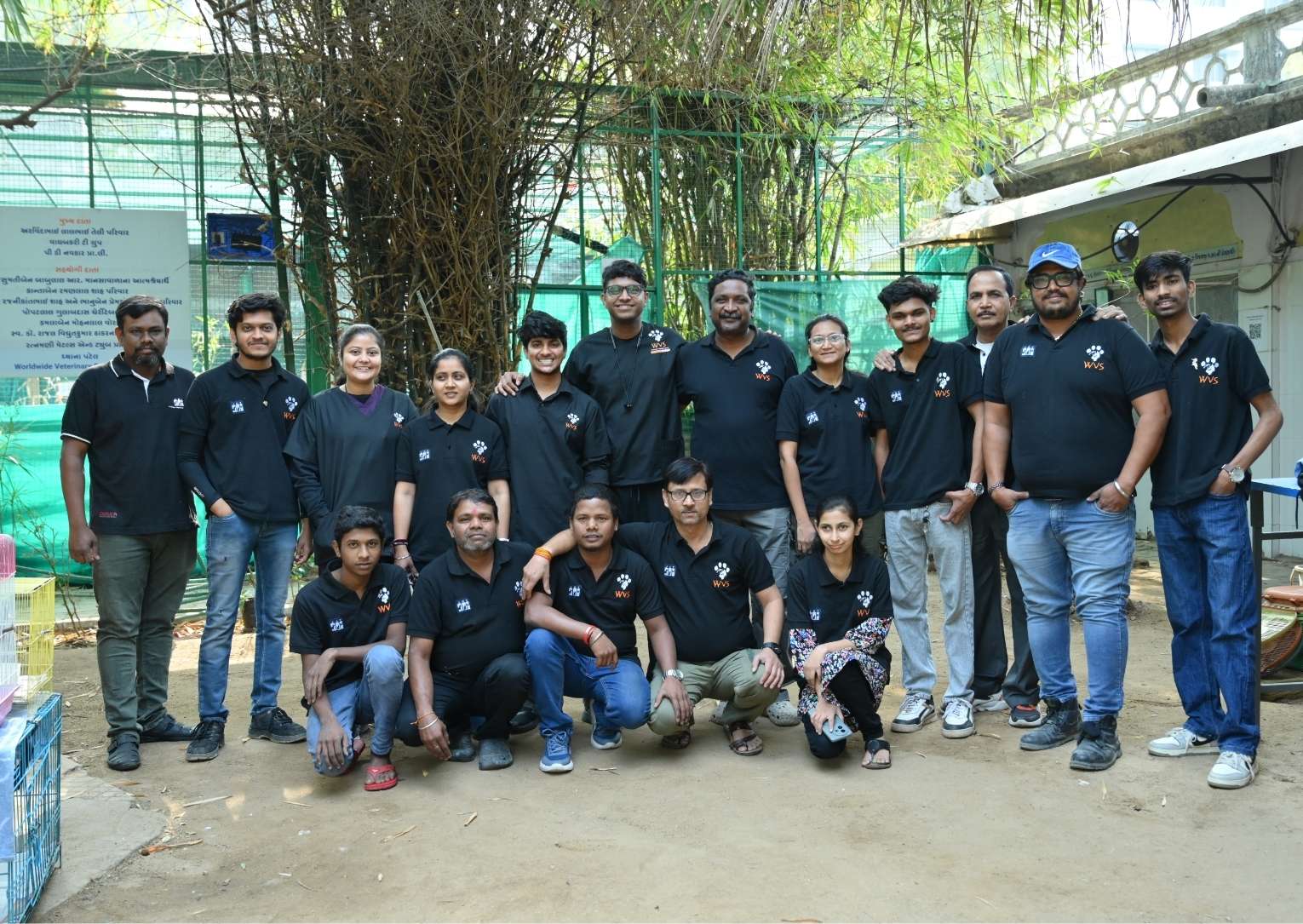
The primary objective of this campaign was to save, treat, rehabilitate and release birds, while supporting wildlife conservation during this high-risk period. This was a huge collaborative effort with veterinary students, volunteers, vets, vet assistants, and bird handlers all coming together to make this happen. This campaign has led to a significant reduction in deaths and injuries during kite-flying season, helping thousands of birds, who otherwise would not receive care in their time of need.
Phase one: Rescue and treat
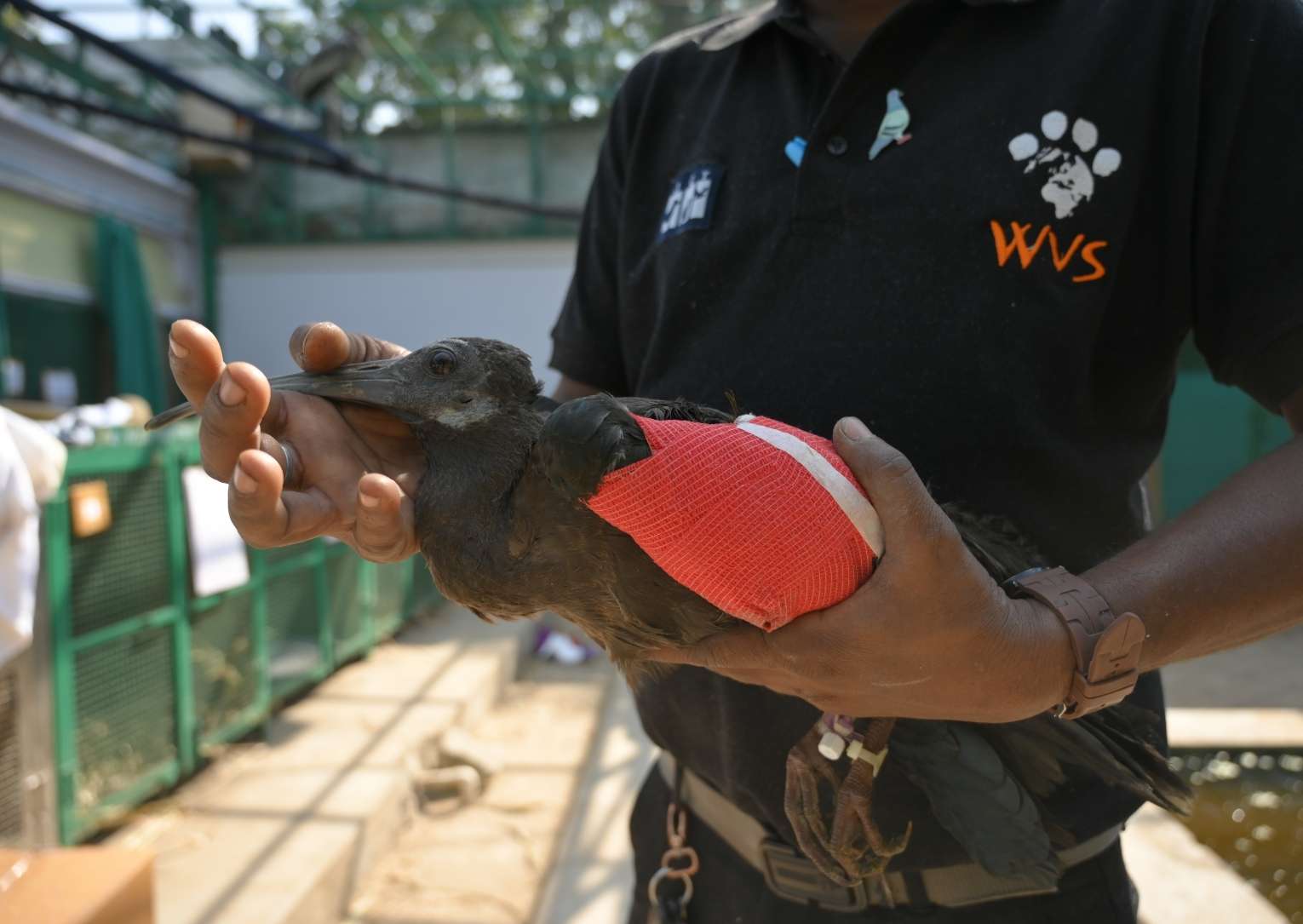
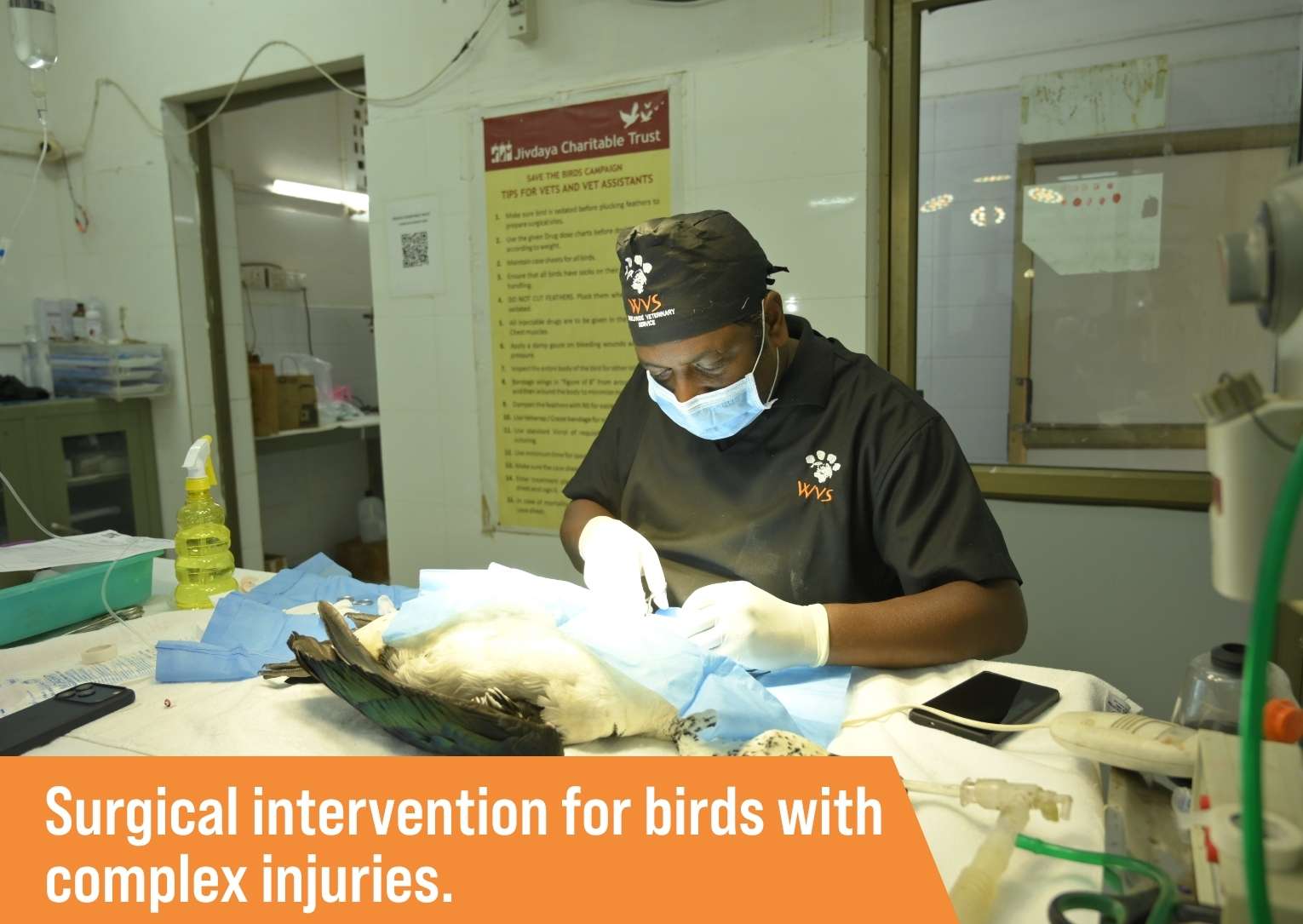
The main focus during phase one was an intensive emergency response operation. Volunteers rescued any birds that needed help, from minor cuts to life-threatening trauma. Once a bird was at the facility, they were examined and initial stabilisation and care was given. The next step was to assess and separate patients depending on their type of injury and severity of their condition.
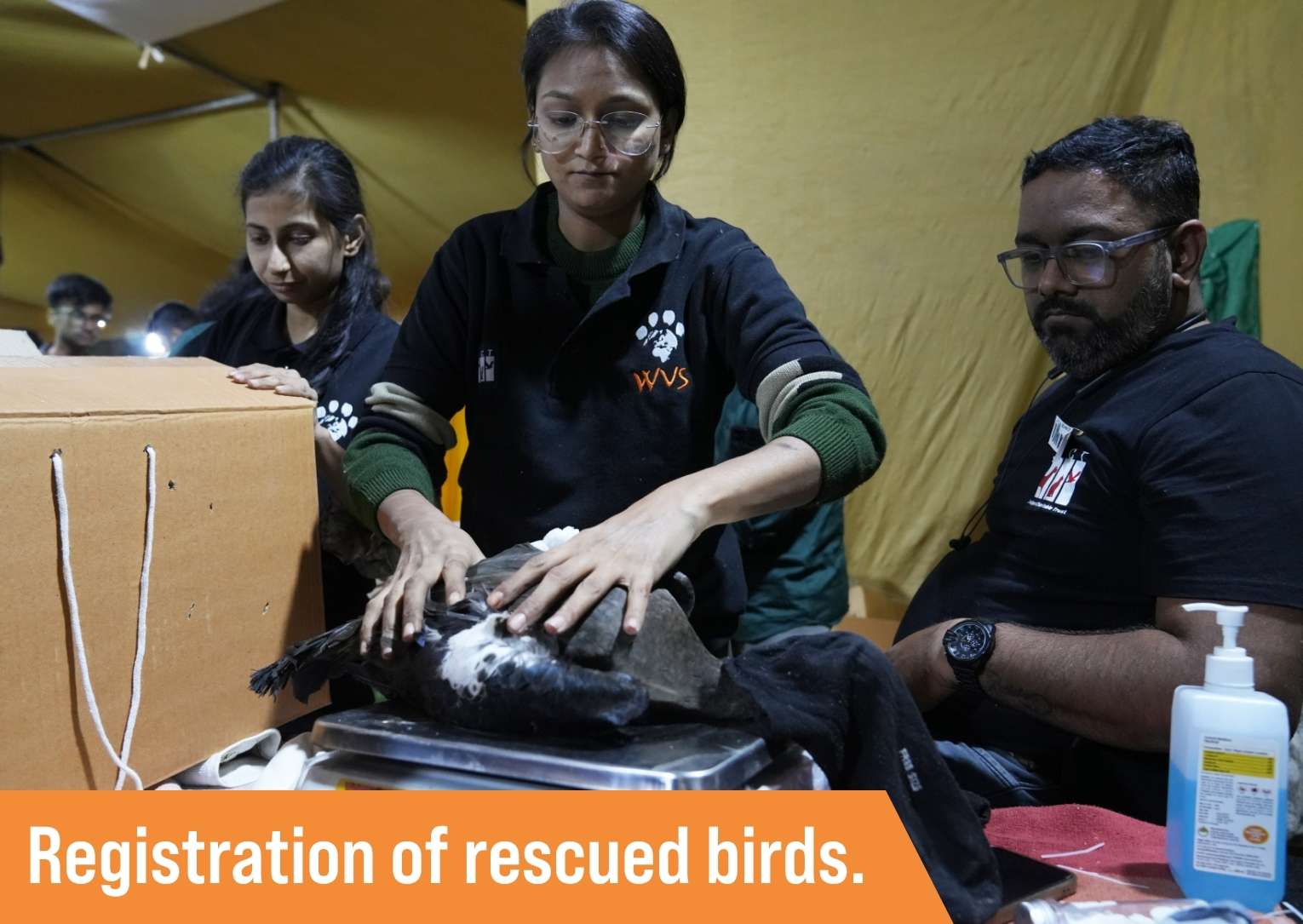
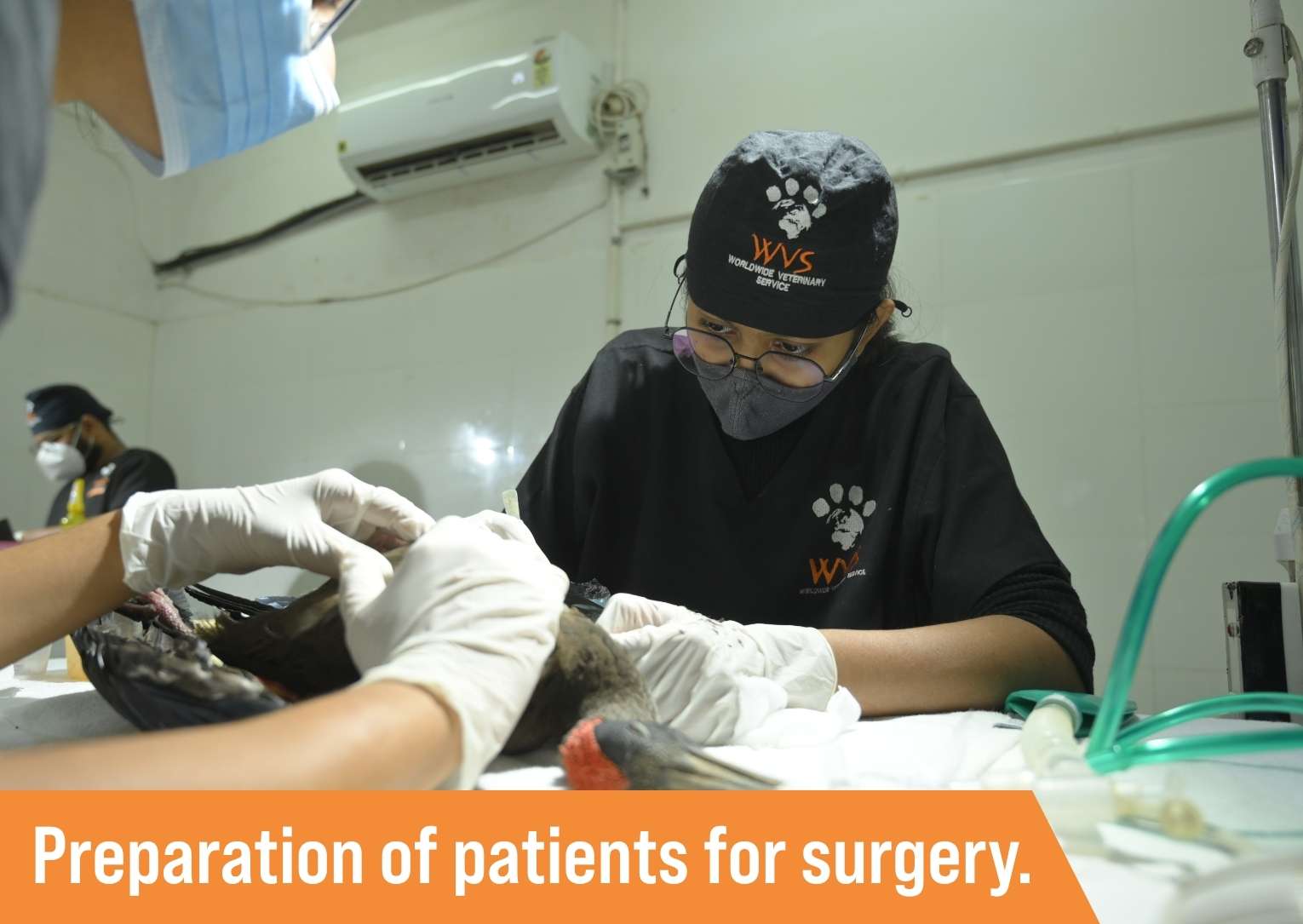
For birds that required surgery they were transferred straight to the operation theatre and then the intensive care unit after surgery for careful monitoring. For some patients, surgery was needed for wing reconstruction or the closure of wounds. For other patients who didn’t require surgery, they were transferred straight to the rehabilitation team for further treatment. The team worked carefully on every case to give these birds the best care possible. Throughout the campaign, a range of birds were attended to, from flamingos to black kites to blue rock pigeons. This campaign not only saved lives, but contributed to bird conservation by ensuring this diverse range of wildlife had access to veterinary care when they needed it most.
Throughout the campaign, a range of birds were attended to, from flamingos to black kites to blue rock pigeons. This campaign not only saved lives, but contributed to bird conservation by ensuring this diverse range of wildlife had access to veterinary care when they needed it most.
Phase two: Rescue and treat
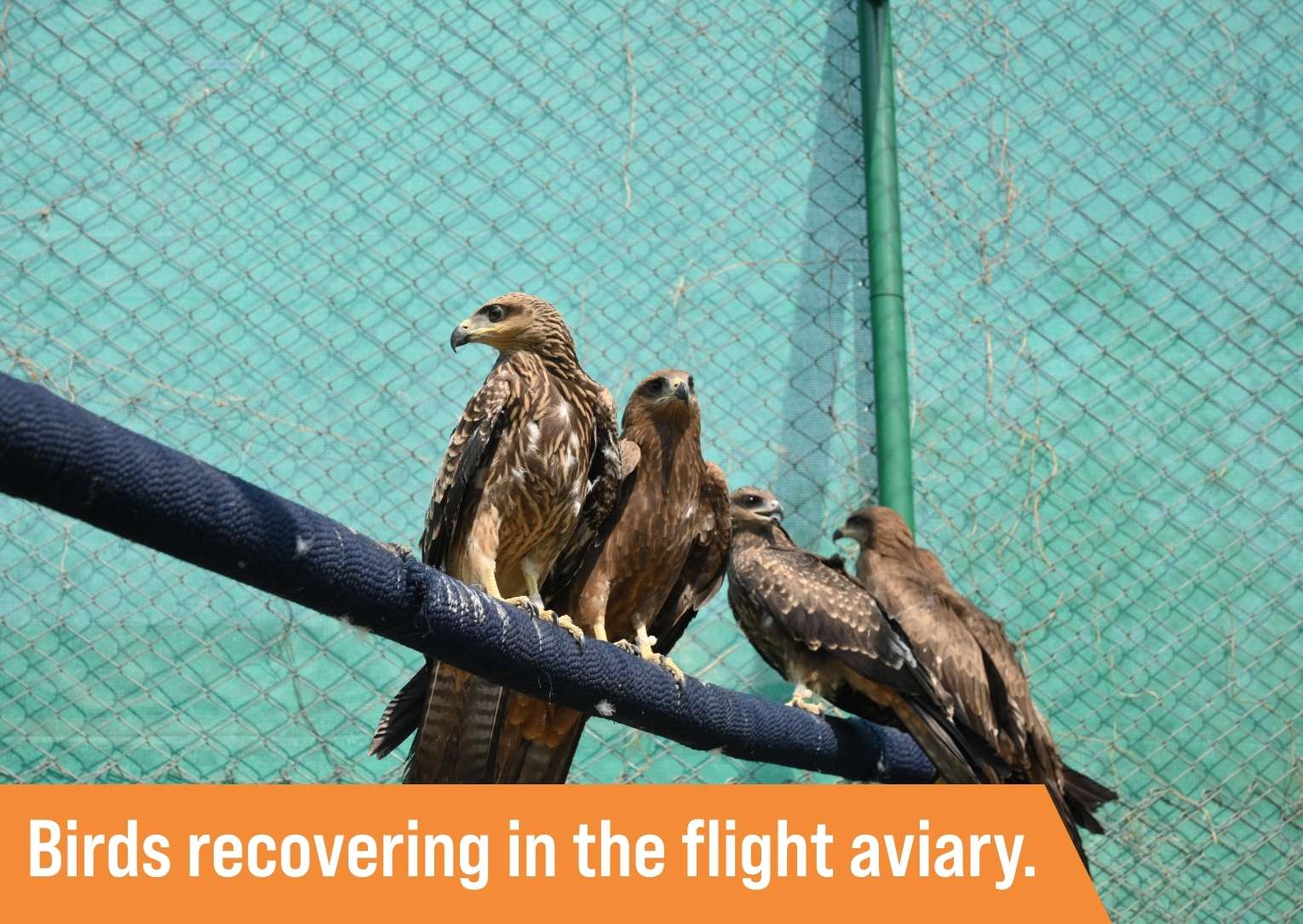
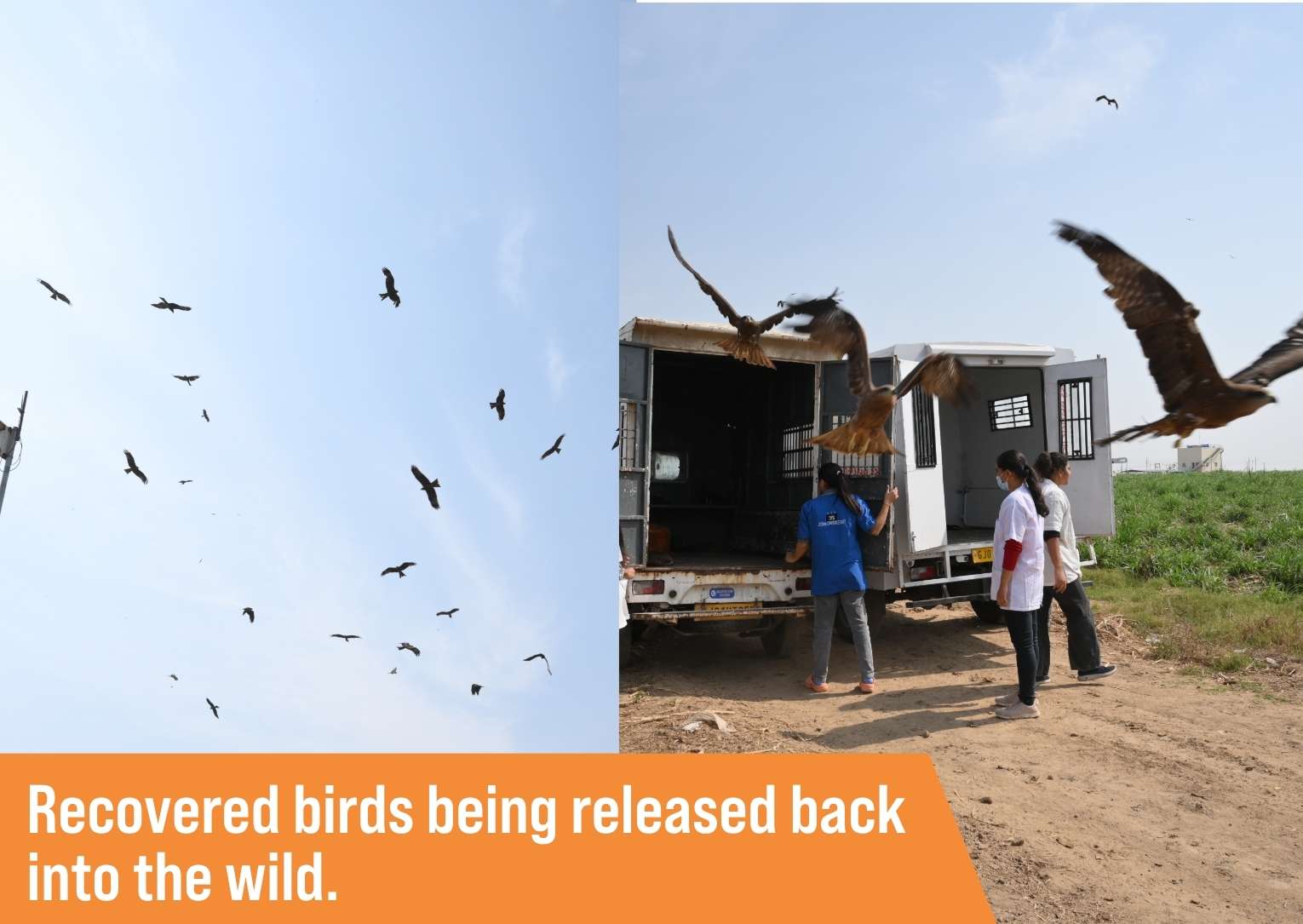
The next phase shifted to rehabilitation and release, with structured recovery and conditioning ready for birds to be released back into their natural habitat. During this phase, the team also continued to perform surgeries and manage injuries to get birds back to full health.
After patients received veterinary care, they were transferred to big aviaries for rehabilitation to ensure they could safely be released. This included flight practice, conditioning, endurance and strength training. Once the team were happy that a bird had fully recovered, they could be released back into the wild. This campaign provided thousands of birds with a second chance, receiving the care they desperately needed to recover from their injuries.
Veterinary training
This campaign was also an opportunity for capacity-building and learning for veterinary professionals and students on avian care. They observed and received hands-on experience with emergency surgeries, treatment and rehabilitation from the expert team – gaining life-saving skills on avian treatment.
Together for all animals in need
Do you want to receive updates like this one straight to your inbox? Sign up to our newsletter to see how your support is making a difference around the world.