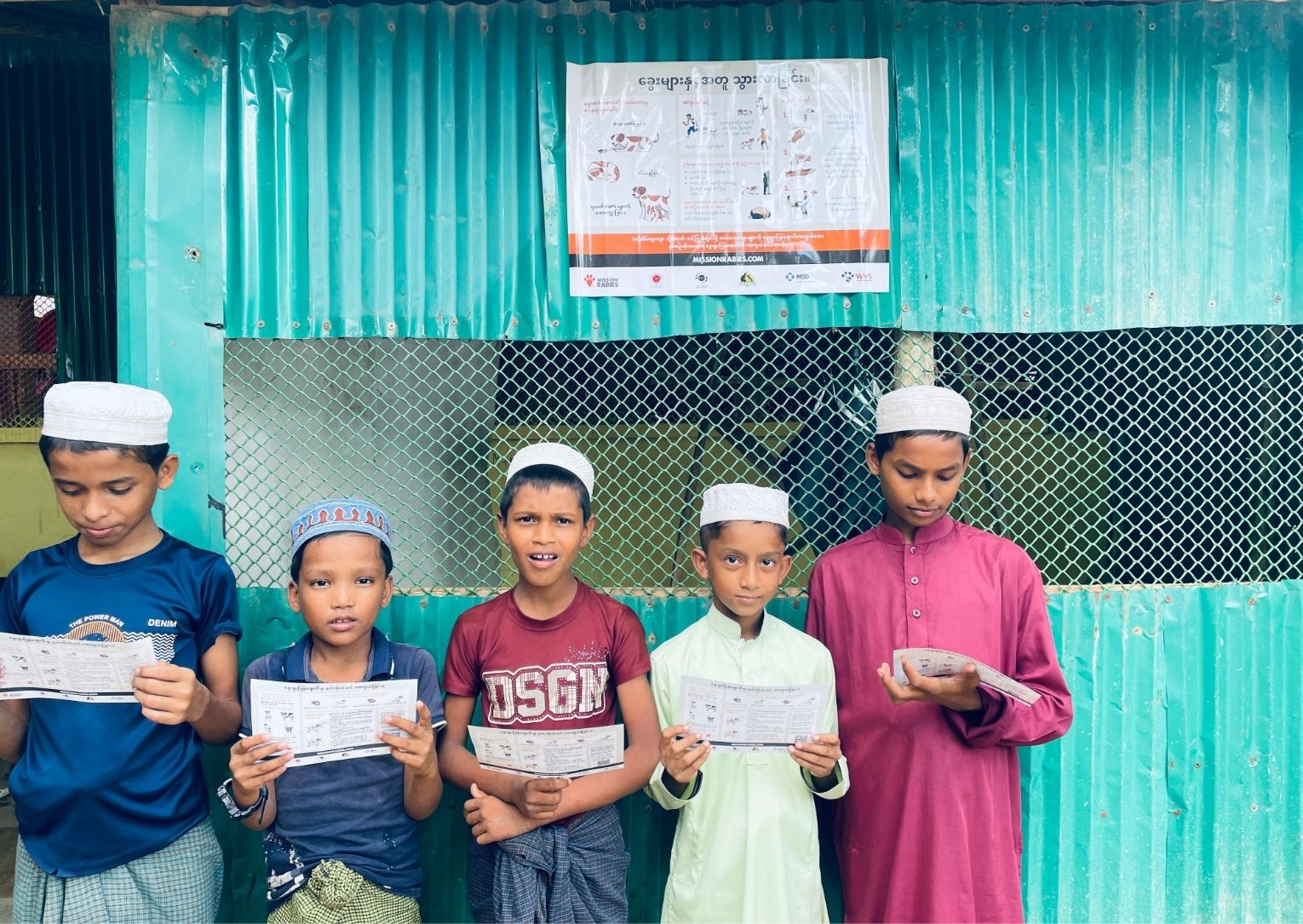


People living in refugee camps face many hardships, one of which is the threat of rabies. Limited access to health and veterinary care, high numbers of free-roaming dogs and close human-animal interactions leave people especially vulnerable. Despite this, rabies prevention has largely been left out of humanitarian interventions.
Rabies is a cruel disease that still takes a life every 9 minutes. Once symptoms appear, it's too late - death is inevitable. This is why prevention is crucial. Through our project, Mission Rabies, we are working to end rabies through dog vaccination campaigns, education programmes, and tracking rabies outbreaks.
We completed the first structured mass dog vaccination campaign in a refugee setting in the Kutupalong-Balukhali refugee camp in Cox's Bazar, Bangladesh. This campaign not only started the journey to rabies protection, but it also provided vital research to inform future campaigns.
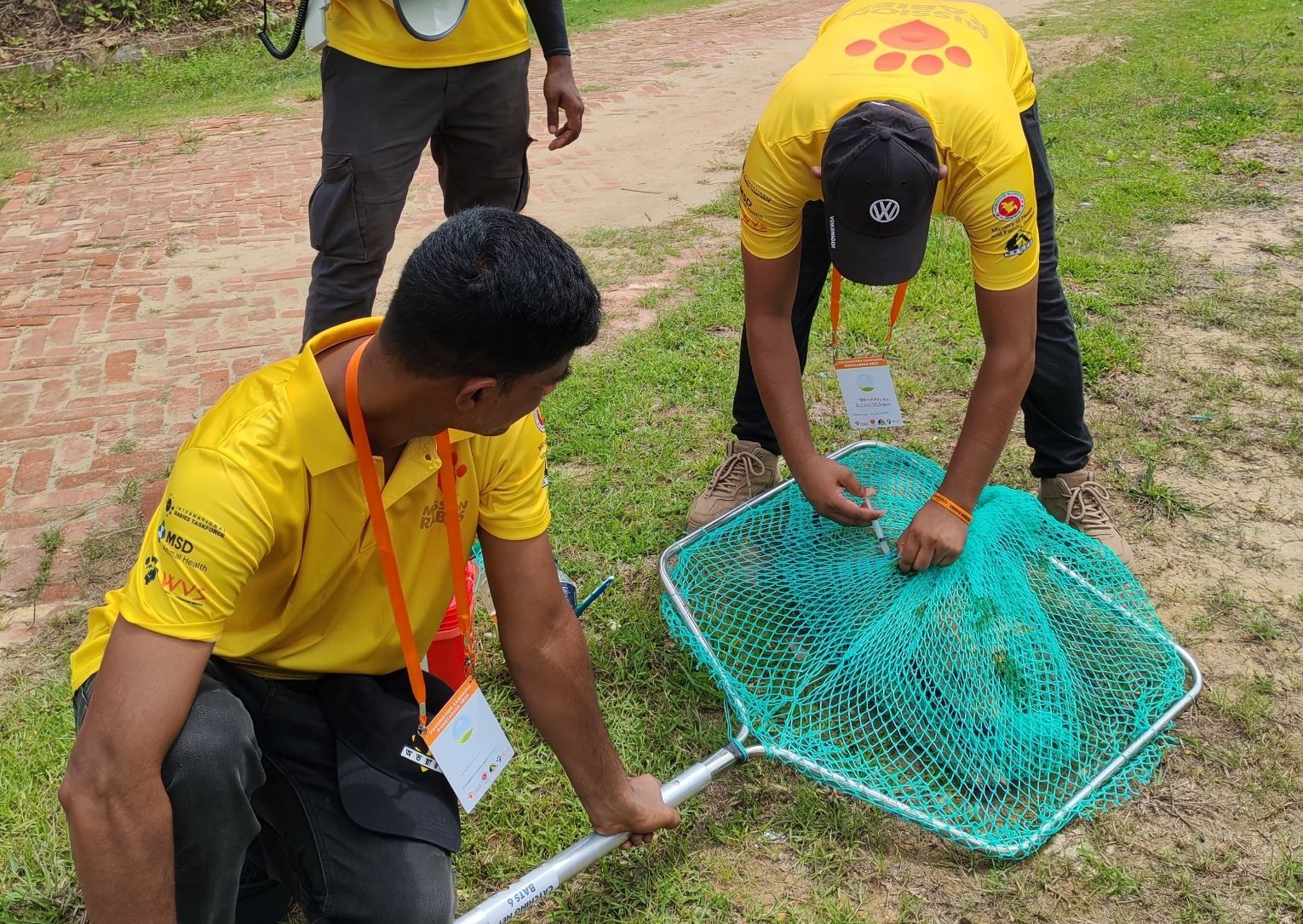
Vaccination campaign
With fears rising over the spread of rabies in one of the world’s largest refugee settlements, we delivered an emergency vaccination drive. This was launched in response to a 128% increase in reported dog bite cases between 2021 and 2023, as recorded by the World Health Organization (WHO) Cox's Bazar Health Sector Bulletins. In collaboration with the Government of Bangladesh and Obhyoyaronno Bangladesh Animal Welfare Foundation, we implemented the first dog vaccination campaign in the Kutupalong-Balukhali refugee settlement in May 2025. Over four days, 26 vaccination teams travelled around designated areas vaccinating dogs and recording real-time data into the WVS Data Collection App.
Our latest research findings from this campaign demonstrate that rabies control is achievable in complex, resource-limited humanitarian settings, and highlight the importance of including rabies prevention in these interventions.
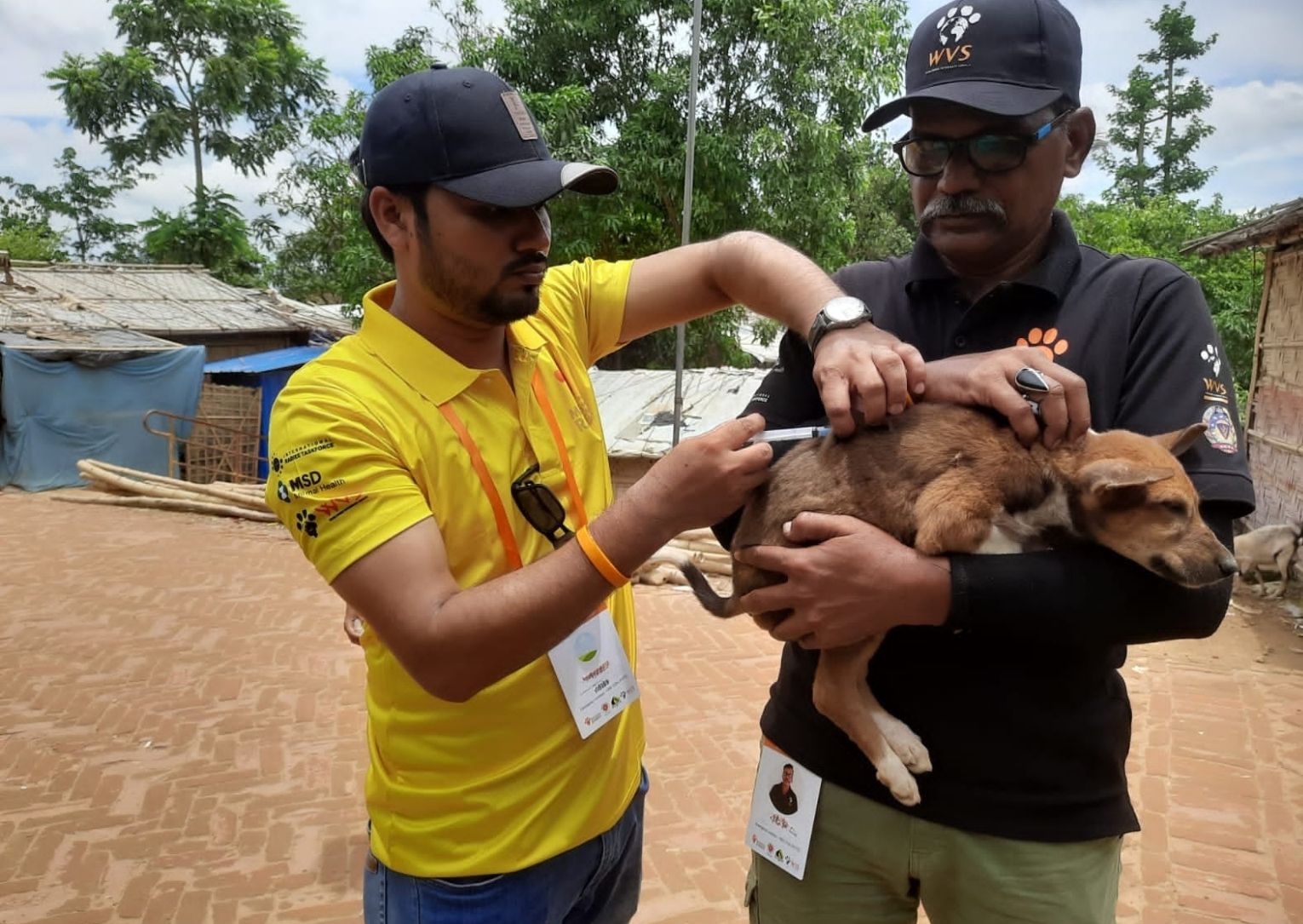
Rabies control is achievable in complex humanitarian settings
Rabies is an entirely preventable disease, one which has been neglected from the public health agenda generally – but especially in humanitarian interventions. Dog vaccination is scientifically proven to be the most effective way of halting the spread of rabies at its source, with dogs being responsible for the majority of rabies transmission to humans.
Our research analysed data from our four-day dog vaccination campaign, with spot-check surveys finding that 78% of all dogs encountered were vaccinated by the teams - with a total of 1,781 dogs being vaccinated. It was further discovered that 86.4% of dogs encountered were unowned community dogs.
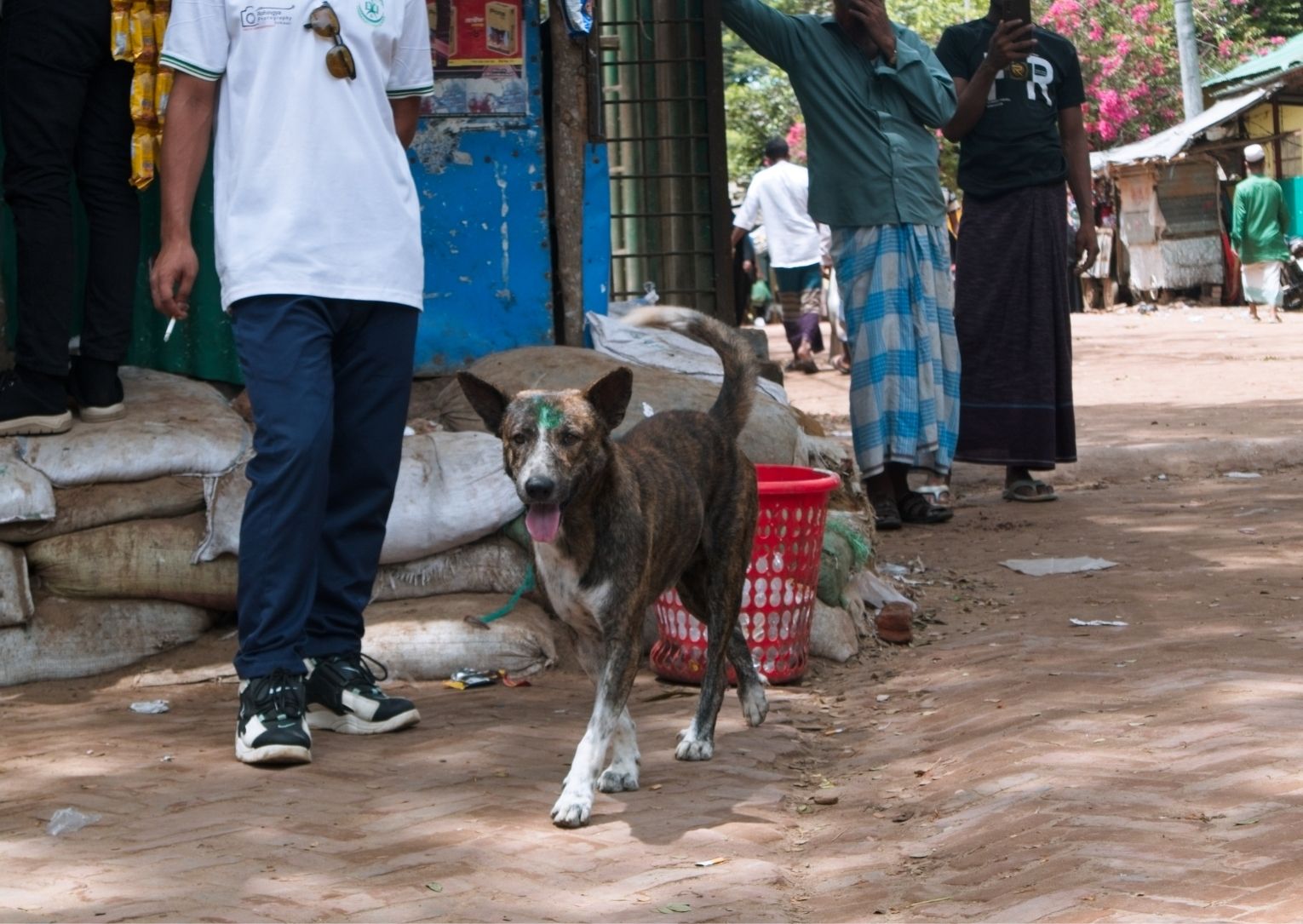
Our findings demonstrate that mass dog vaccination campaigns are possible even in complex, resource-limited settings. Rabies control should be integrated into emergency health responses to safeguard human and animal health.
Rabies education needs to be integrated into humanitarian programmes
Education is also a crucial part of mission to end rabies. Without knowledge on how to act around dogs, the signs of rabies and what to do after a potential exposure, communities are consistently at risk.
Alongside our vaccination campaign, a survey was conducted to understand more about the community's knowledge of rabies, perceived risk, bite response behaviours, and attitudes towards vaccination campaigns. The findings reveal that rabies awareness and prevention amongst the surveyed population was limited, with only 34.6% of the respondents having heard of the disease. While 8.7% of households reported dog bites in the past year, only 25.9% knew to both wash the wound and seek medical care post-bite. It was further discovered that there was a high level of apprehension towards dogs, with 90% of respondents 'very afraid' or 'a little afraid' of dogs in the camps.
Our research demonstrates the need for education and awareness campaigns alongside vaccination programmes in refugee settings. If communities know more about rabies, they can protect themselves from bites, prevent rabies and save lives.
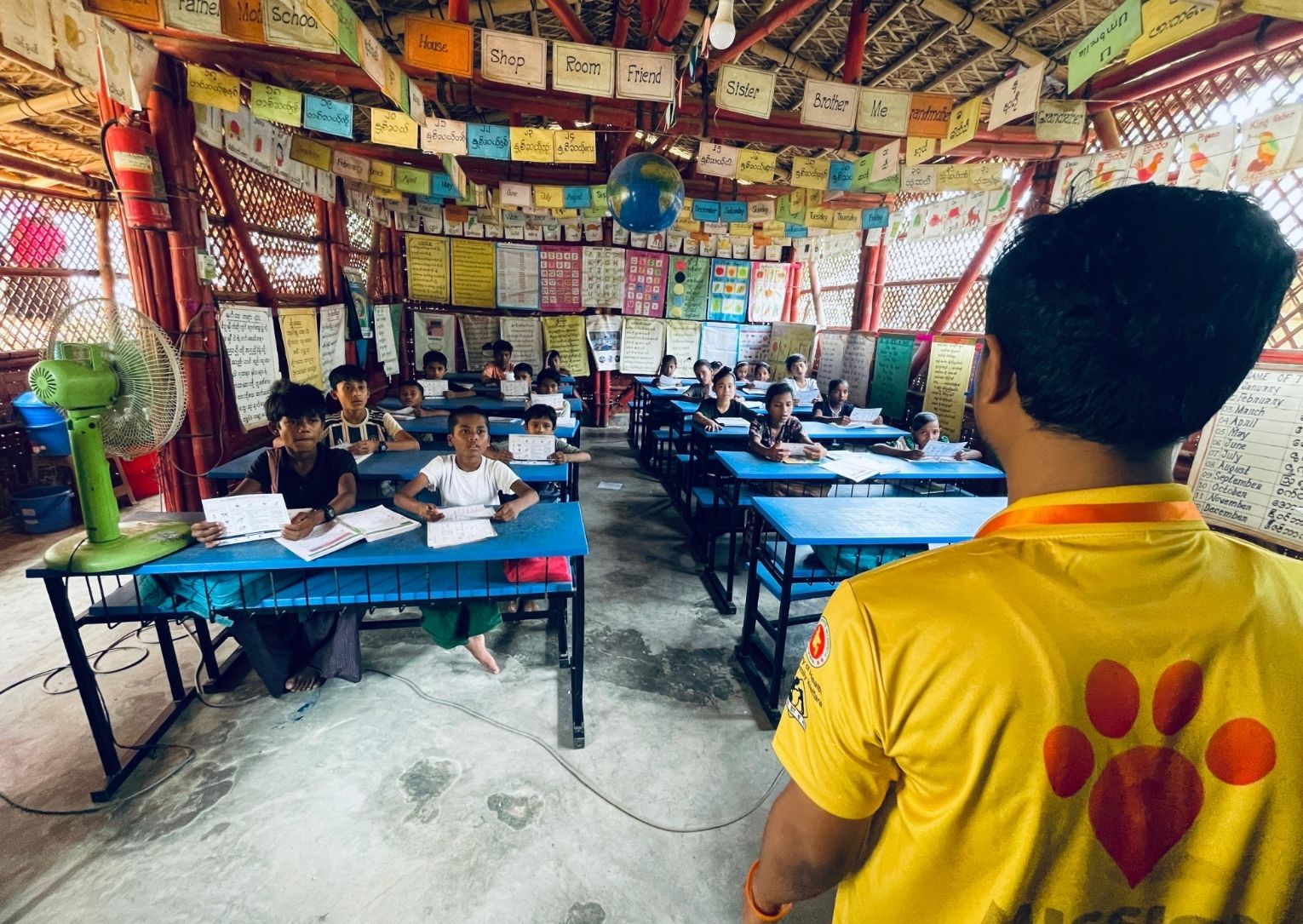
Alongside, our vaccination campaign, we educated over 12,000 children and residents through rabies lessons in schools and community outreach.
Our project in Bangladesh
Following this successful campaign, alongside Directorate General of Health Services (DGHS), we completed another vaccination campaign and expanded our work in Bangladesh. The first phase of this project was completed in December 2025 in Cox's Bazar district, with the second phase in January 2026 in Chittagong District. The goal of this project was to deliver effective district-wide vaccination coverage and create a model that could inform future national vaccination programmes.
Research spotlight
Are you interested in finding out more? Read our full research paper on the first structured mass dog vaccination campaign in a refugee setting.