


World Rabies Day is celebrated annually on 28th September to raise awareness and advocate for the global elimination of rabies. It is also about highlighting progress in defeating this deadly disease. This World Rabies Day we are shining a spotlight on our flagship project, Mission Rabies, fighting to end rabies, a deadly disease that takes a life every 9 minutes.
Mission Rabies: Overview
In 2003, Worldwide Veterinary Service (WVS) began a mission to improve animal welfare around the world. As WVS grew, Luke Gamble, our CEO and founder, launched the Mission Rabies project in 2013, to protect people and animals living in areas affected by rabies.
“A decade after the start of WVS, recognising the urgent need to combat the deadly but preventable menace of rabies, Mission Rabies was born. With a focused approach, this initiative took on the daunting task of rabies elimination, one community at a time. To see it grow from a fledgling project into a global force has been nothing short of awe-inspiring.” Luke Gamble, CEO and founder of WVS.

Mission Rabies launched in India – the world’s hotspot for rabies. Goa was identified as an ideal location to set the standard of rabies elimination across India. We then started to establish and expand our vaccination, education, and surveillance programmes in more countries, including Malawi, Uganda, and Tanzania.
India and Malawi became flagship projects, as two rabies endemic countries, and we established permanent teams in-country, working in collaboration with local governments and valued partners. These two projects have come to demonstrate how effective rabies control can be implemented at scale. Alongside these projects, we run programmes in many global rabies hotspots.
Crucially, our programmes are working; human rabies deaths are down in our project areas and Goa was declared a ‘Rabies Controlled Area’ in 2021 – the very first Indian state to achieve this status.

About Rabies
Rabies is one of the world’s deadliest and oldest known diseases. Rabies still causes the death of at least 59,000 people a year, with rabies deaths being massively underreported and systemically ignored. The disease disproportionately impacts upon the world’s most disadvantage areas, with the poorest countries carrying the greatest burden.
Dogs are one of the animals most prone to rabies. They serve as a reservoir for the disease and are the main source of transmission to humans. With 99% of human rabies cases being caused by an infected dog bite, we have the power to change this; by taking a One Health approach we can protect the lives of people and animals.

Mission Rabies: The Goal
Mission Rabies is addressing the source of the problem: canine rabies.
Vaccinate dogs and you can stop the disease before it reaches people. No need for cruel, inhumane culls, or for people and dogs to live in conflict. Educate people on rabies prevention and you can empower them with the knowledge to protect themselves from rabies. Through mass dog vaccination campaigns, education programmes, and tracking rabies outbreaks, we can end rabies for good.

Through our programmes, we have rabies educated over 16 million children and vaccinated over 8 million dogs.
Vaccination in action: our latest campaigns
Peru
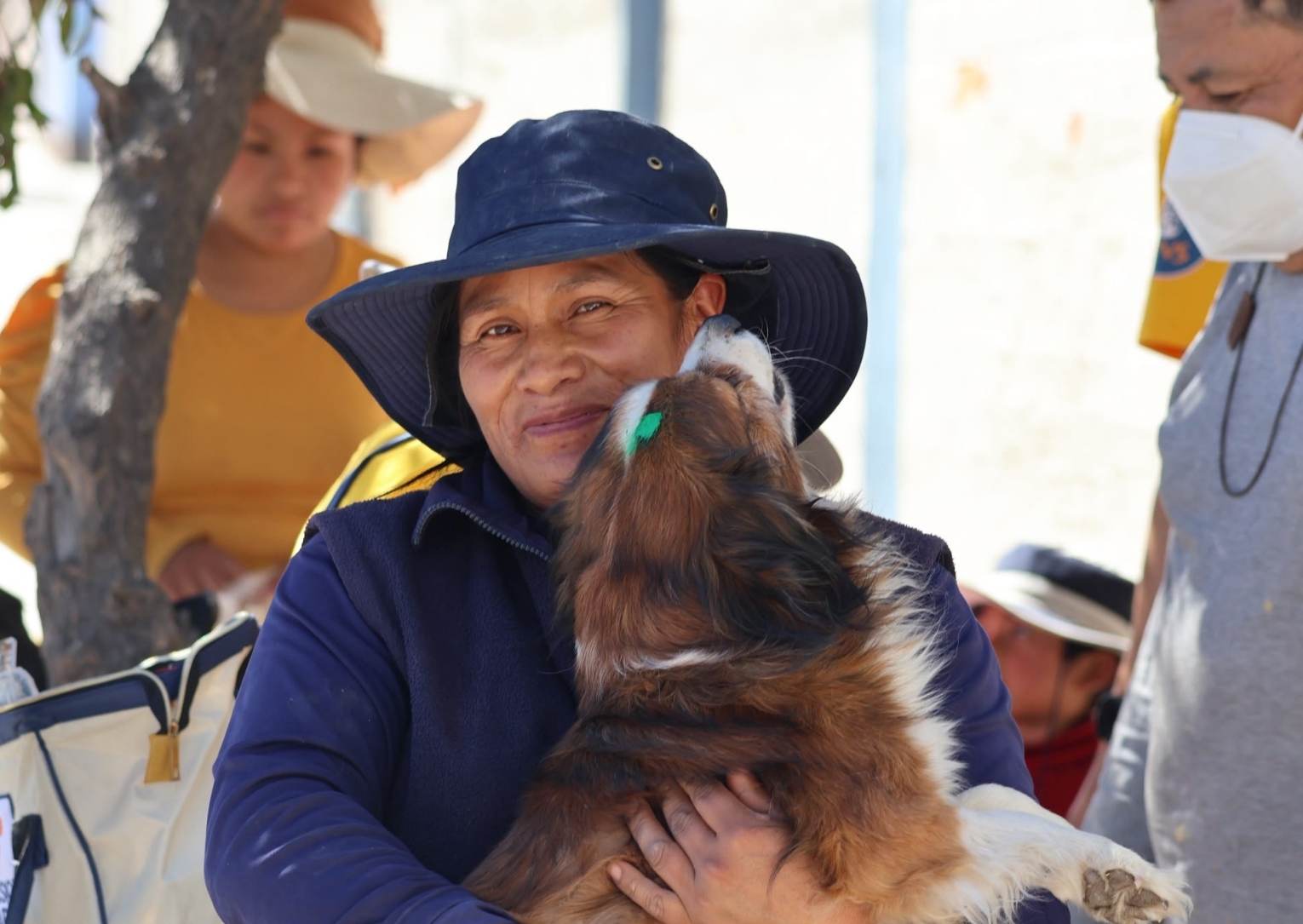
The first Mission Rabies project in South America was launched in Arequipa, Peru in July 2026. A total of 16 international volunteers joined more than 100 local health workers to deliver a large-scale dog vaccination campaign across the Zamacola district. South America has done an excellent job at controlling rabies, but with Bolivia remaining rabies endemic cases have risen in the bordering regions in Peru. Arequipa remains on the frontline of rabies re-emergence in Southern Peru, serving as a critical barrier to prevent the disease from spreading.
Using a combination of door-to-door and static clinics, teams worked to vaccinate dogs in their areas. Working with local health workers, our international volunteers administered 6,423 rabies vaccinations in just five days. Across the whole district a total of 20,247 dogs were vaccinated – protecting communities against this cruel and deadly disease.
Mozambique
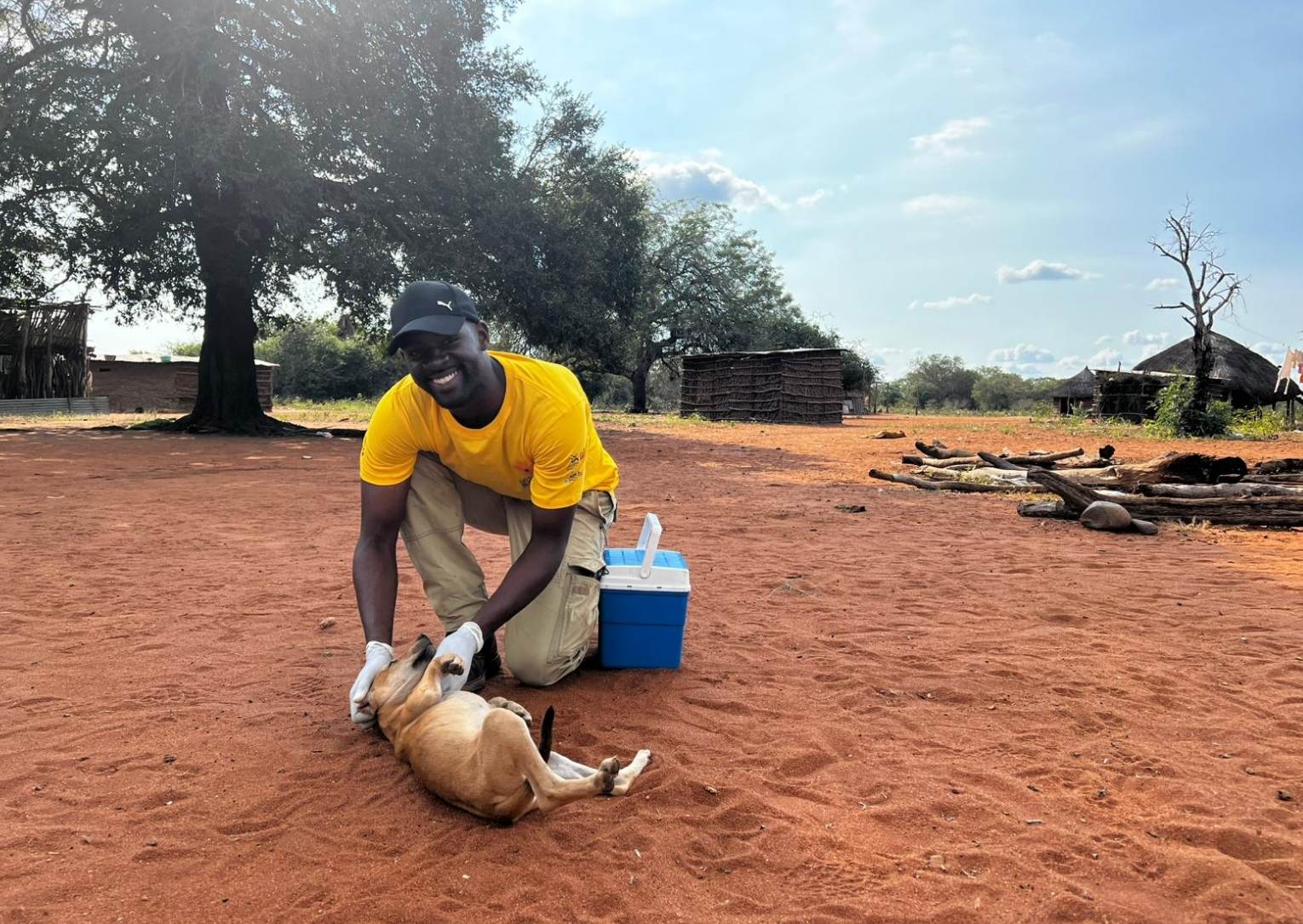
We have been working to end rabies in Mozambique since 2021, in collaboration with Eduardo Moundlane University. In June 2026, we completed an intensive vaccination campaign in Guija District. Alongside local teams, volunteers from around the world joined us to protect dogs and provide life-saving protection to communities. In total, over 3,100 animals were vaccinated against rabies, and crucially, the 70% vaccination coverage needed for herd immunity was exceeded – stopping the disease in its track.
Alongside this campaign, our education team visited schools to deliver education lessons. These sessions covered the dangers of rabies, how to safely interact with dogs, and the importance of first aid after a potential exposure. Our lessons build empathy, compassion and respect towards animals, but vitally, they save children's lives.
Malawi
Malawi is one of our flagship projects, with permanent in-country teams working to end rabies. This work started in 2015 in Blantyre but now we are working in over half of the country to protect communities.
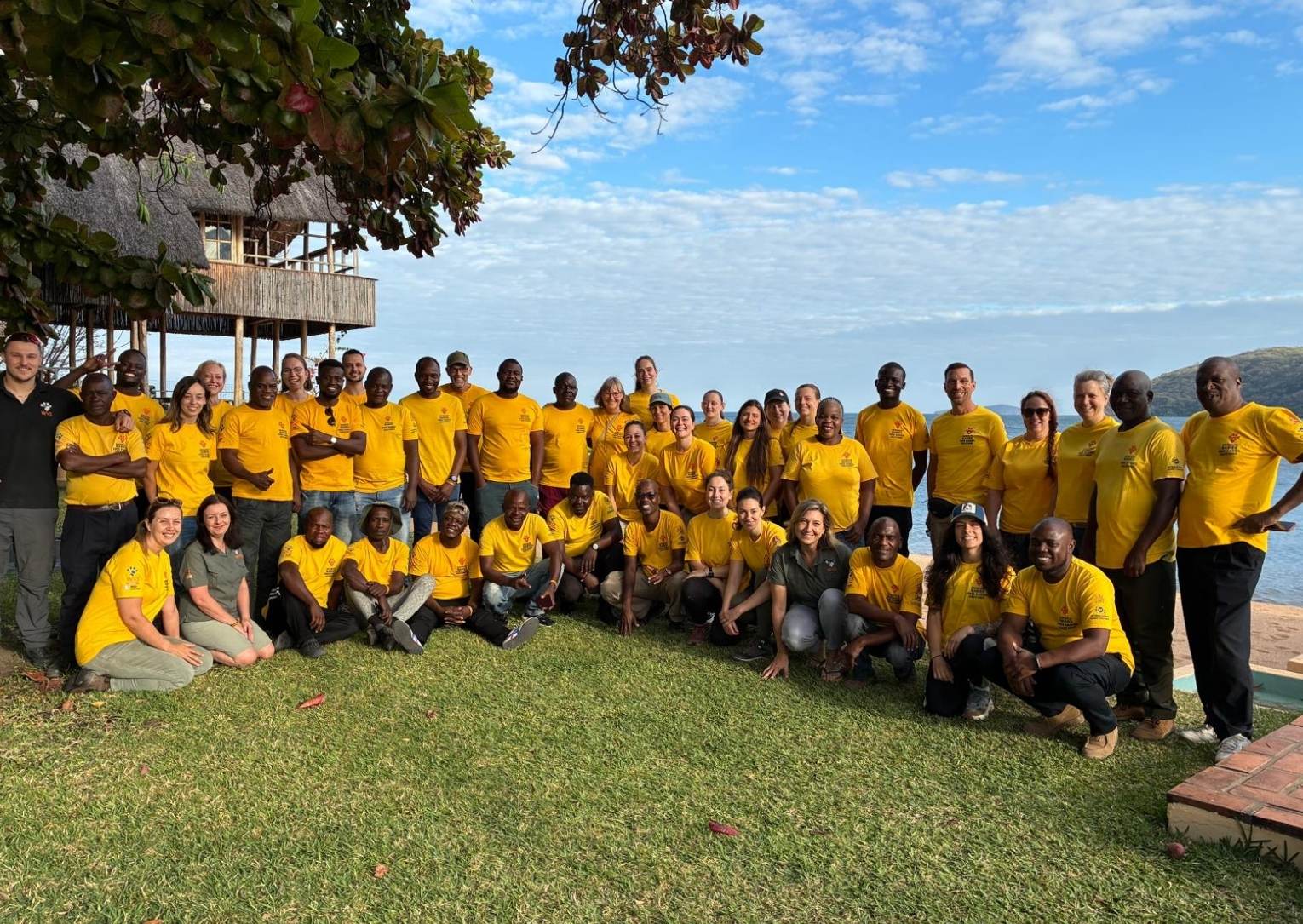
In July 2026, we completed our annual mass vaccination campaign in Mangochi district in Lake Malawi, working with Vet Partners and MSD Animal Health. This area was chosen because of reported high bite cases. International volunteers from various countries alongside our local staff conducted door-to-door vaccinations, with a total of 2,088 dogs being vaccinated during this four-day campaign - with expansion planned for future campaigns.
Alongside this, an outreach sterilisation campaign in different areas of Lake Malawi was conducted. The team sterilised 150 dogs and cats, contributing to improved animal welfare and long-term population management within these communities. Vaccination and sterilisation together create a safe and stable dog population, which is the best way to reduce canine and human rabies cases.
Emergency Response
In India, Malawi and Cambodia we run Integrated Bite Case Management (IBCM) programmes where our teams respond to suspected rabies cases.
A community member in Blantyre City recently spotted a dog acting strangely, and thankfully they knew to call us. They had previously received our rabies hotline number at a vaccination clinic, and they reported the case to our team straight away. The dog later tested positive for rabies. Through rapid contract tracing, the team identified seven people and five dogs that had been exposed, helping ensure those at risk received the care they needed. Rabies is almost always fatal once symptoms develop – this is why urgent action after a potential exposure is so crucial.
Mass Vaccination Campaigns
Cambodia
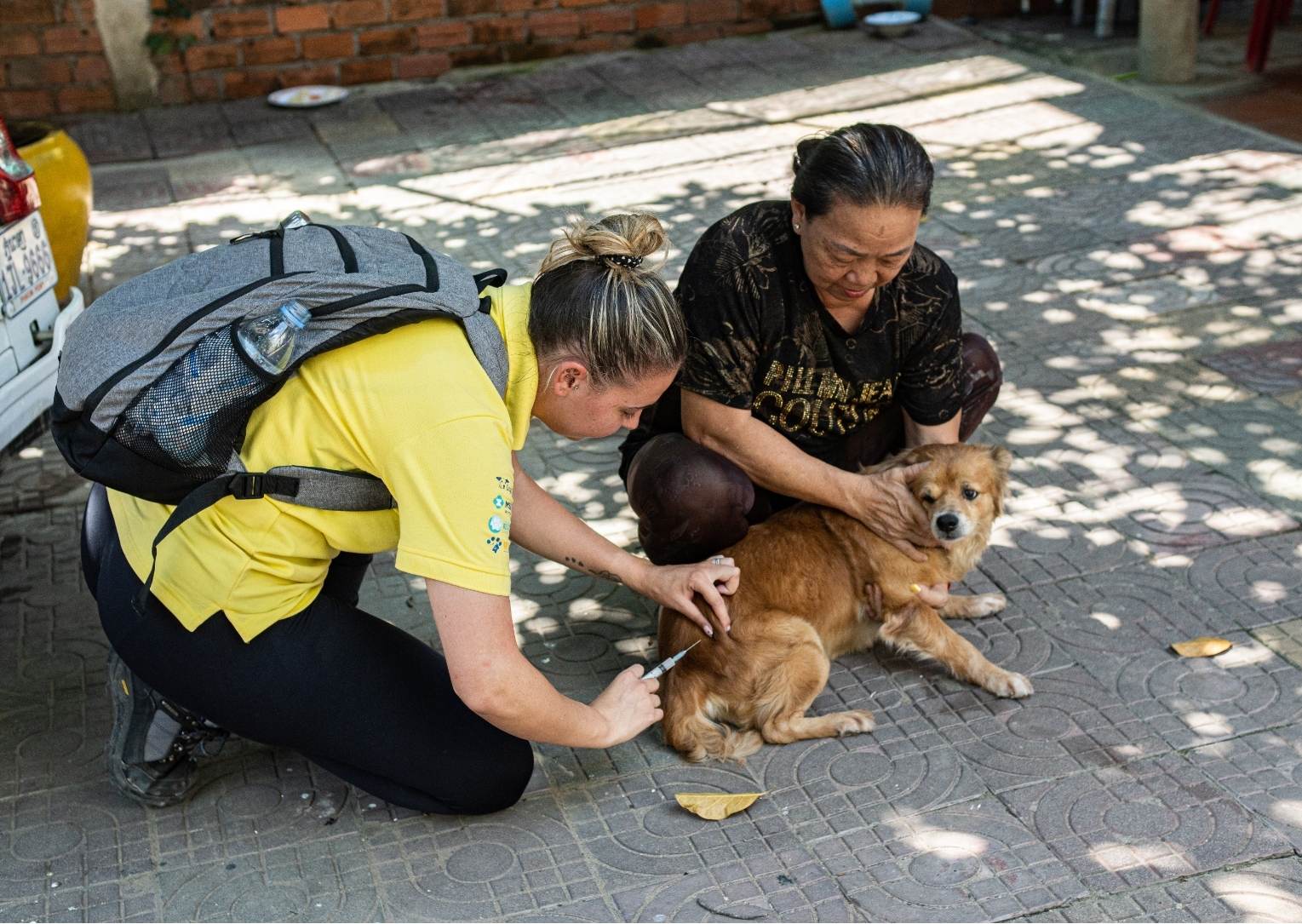
In October 2026, we are returning to Cambodia for our fourth-annual mass vaccination drive in, expanding into new provinces for this campaign to cover five in total. Last year, over the two-week campaign we vaccinated 221,391 dogs, including vaccinating over 10,000 dogs in just one day – the highest ever achieved on a Mission Rabies campaign.
Laos
In 2025, working with in-country partners, we completed the first provincial-wide vaccination campaign in Laos – vaccinating over 21,599 dogs during a one-week campaign. Building on this success, in November 2026, we are returning to Laos with international volunteers joining the campaign to help support with vaccinating dogs.
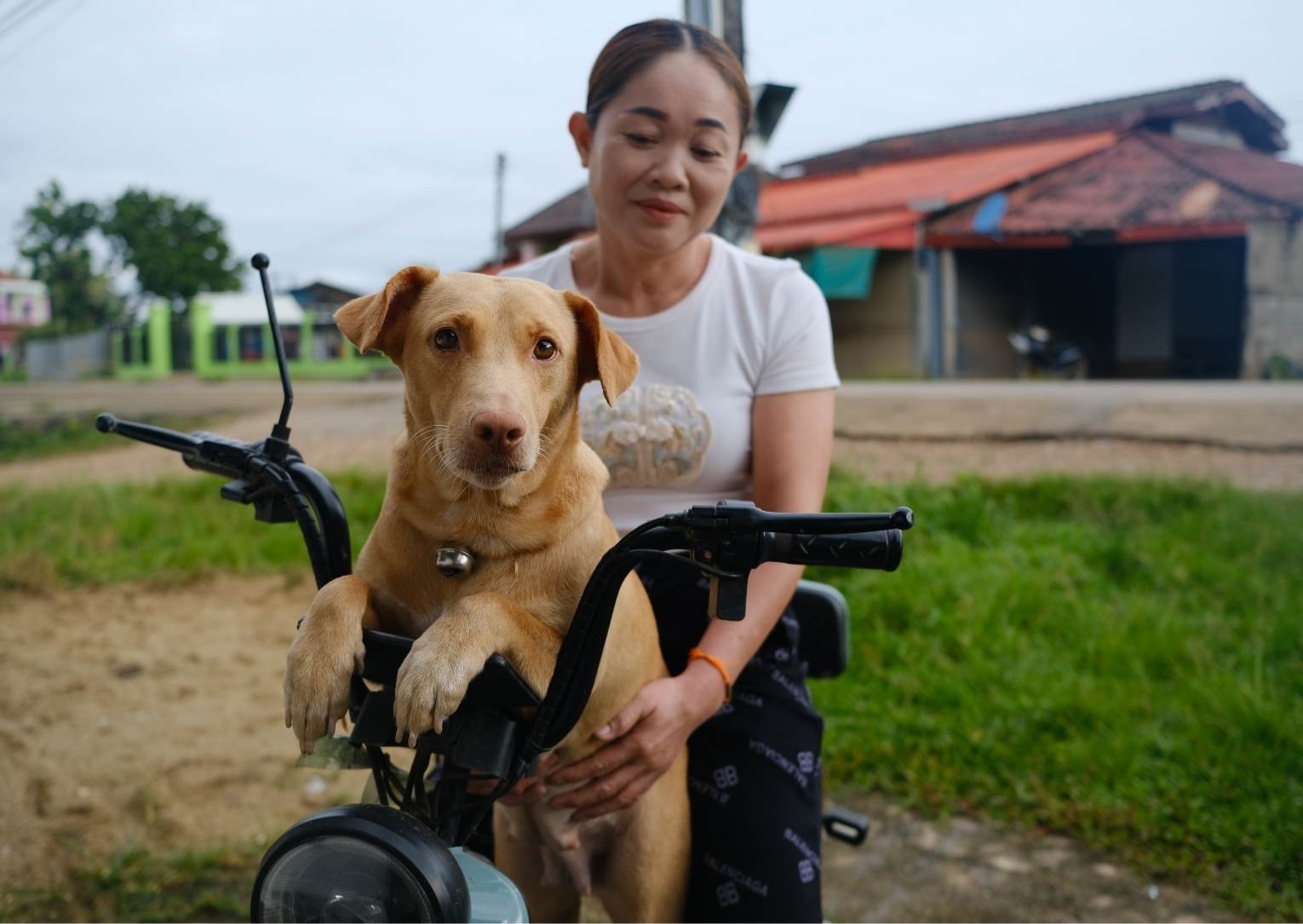
Volunteering adventure
We still need passionate volunteers to join us in Cambodia and Laos.
Volunteering with Mission Rabies is about becoming part of a community. It's making friends with your local team and fellow volunteers, meeting kind and welcoming people who truly appreciate your help, and spending time with sweet dogs, knowing you have protected them. Most of all, it's the rewarding feeling knowing you have helped leave a community safer than you found it. Discover more and apply.
This World Rabies Day join our life-saving mission
Subscribe to our Mission Rabies newsletter to hear about our global projects and opportunities to get involved.
Visit our Mission Rabies blog to uncover all the ways you can get involved this World Rabies Day to create a rabies free world.
